
Dispatch center
We will ensure your dispatch center is always ready and operational. We provide continuity of operations planning, interoperability strategies, and license management, keeping your communication lines open, reliable, and compliant.
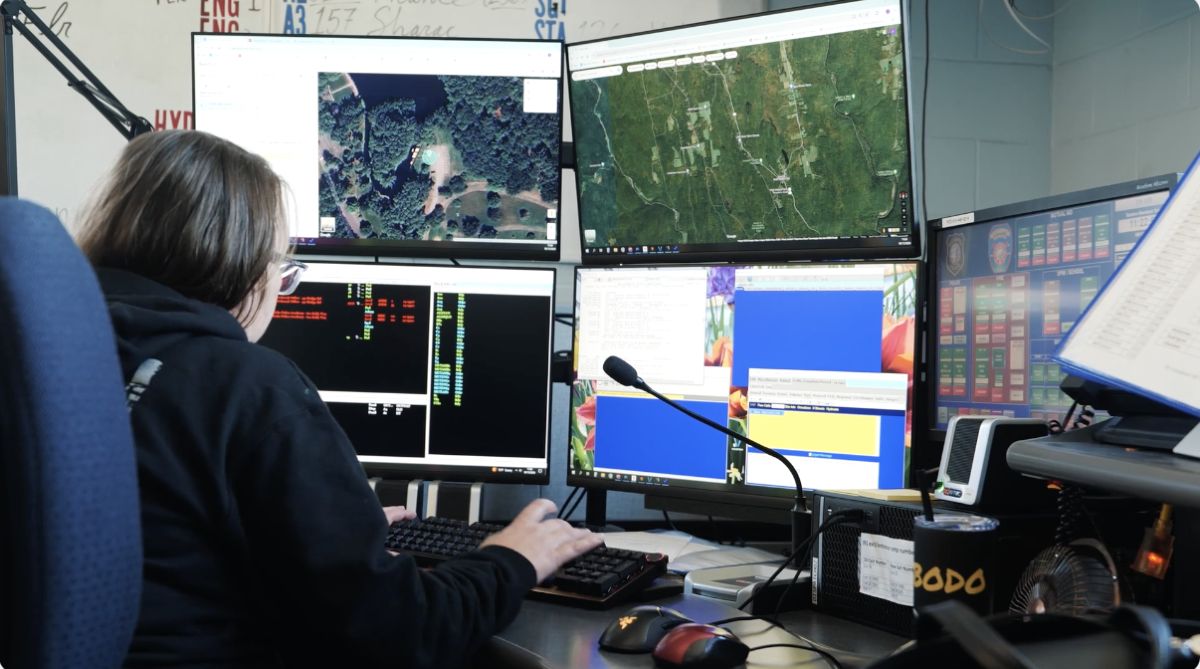
How We Support Your Dispatch Center

Continuity of Operations Planning
Phased cutover plans, temporary operating positions and backup call answering so your center keeps working through renovations, relocations and system changes.
Interoperability Strategy
Console and radio integration that links police, fire, highway and mutual aid channels into one dispatch position, with a clear path to P25 digital radio.
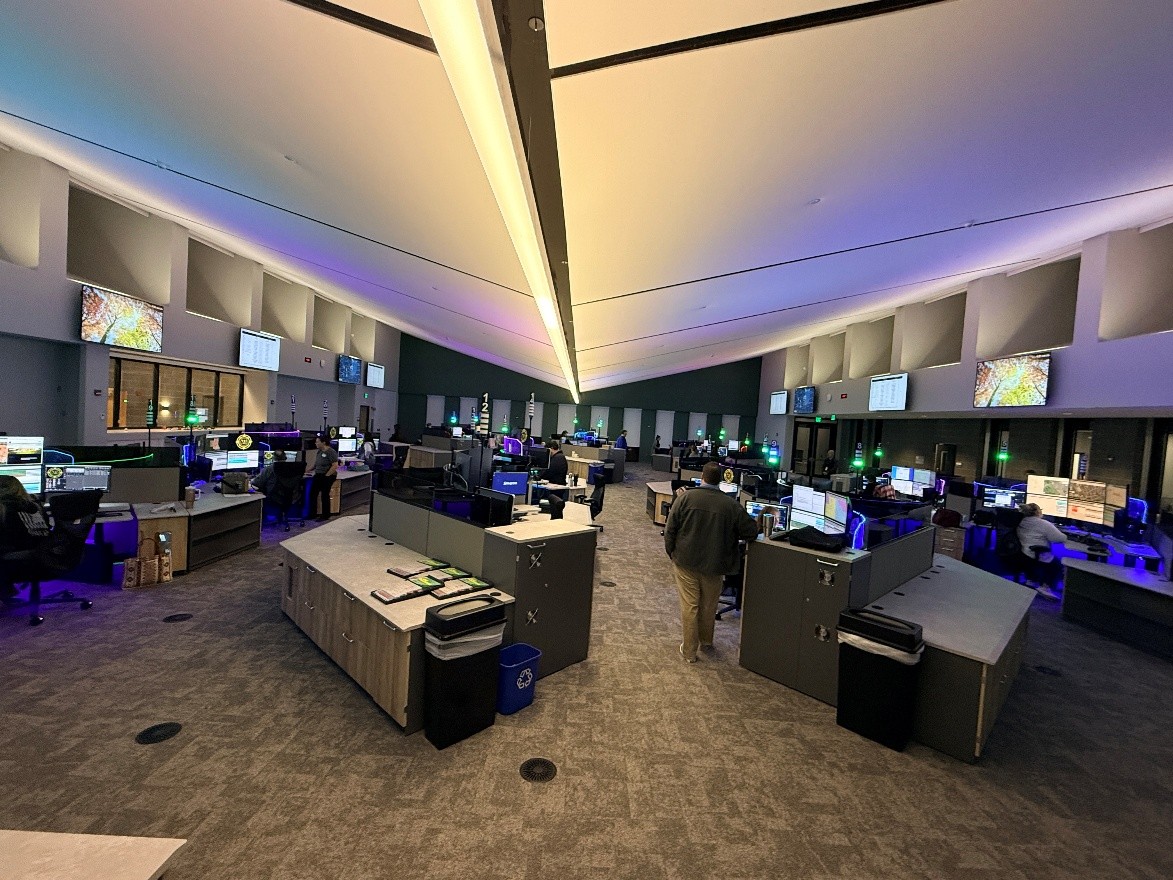
Regional Consolidation and License Management
Specifications for radio, phones, CAD and building monitoring when dispatch moves to a regional center, plus FCC license compliance, renewals and account access for every frequency you depend on.
LB COMMS DIFFERENTIATOR
Many dispatch consultants focus on staffing and management studies. LB Comms brings hands-on radio engineering, backed by 40 years of fire and EMS experience. We work as your independent advocate, not a vendor: we write the specification, hold integrators to it and stay on site through every cutover. Senior staff lead every project from start to finish.
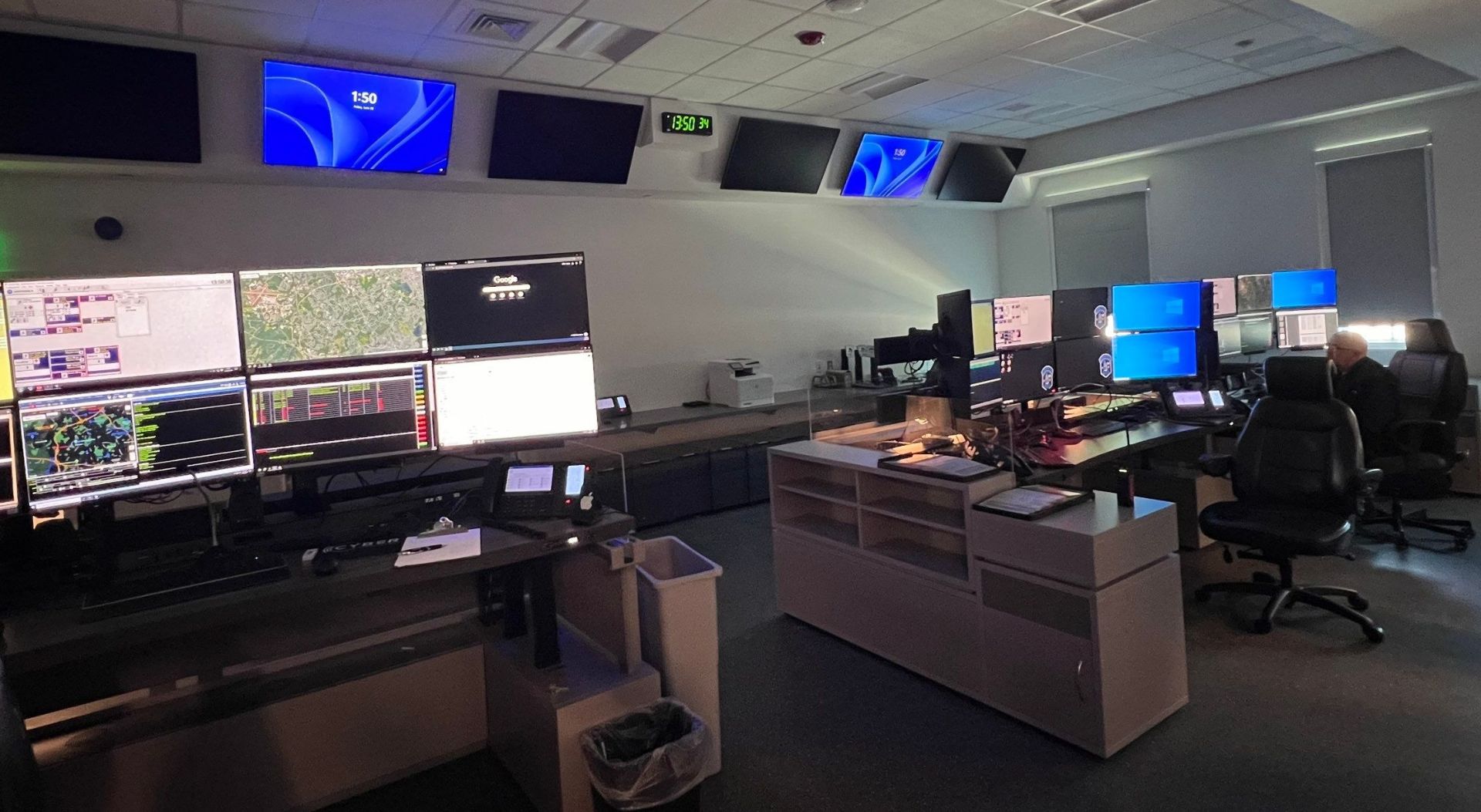
Case Studies
Metacomet ECC Millville Tower Site
Millville's police and fire radio needed a better home: a purpose-built tower and shelter with reliable backhaul to the regional dispatch network. The best location was on school grounds, next to an operating elementary school.
That raised hard requirements. The design had to fit the school's electrical service, keep crews and heavy equipment safe around students and staff, meet State 911 grant rules, and move two live public safety systems with no loss of service.
Northampton, MA Citywide 700 MHz Radio System
Northampton needed one dependable radio network that every department could share. Fire still ran on VHF, and other departments used separate equipment.
The city also needed someone to own the project from start to finish. That meant writing the requirements, running a compliant purchase, holding the vendor to the specification, and then keeping the system healthy after the warranty ended.
Auburn Fire & Rescue, MA VHF 3-Site Simulcast Radio System
Auburn Fire & Rescue needed stronger VHF coverage across town, a dispatch center that could support it, and a clear path to P25 digital radio. Its radio fleet mixed VHF, UHF and multiband equipment of different ages, and it had no long-term replacement plan.
The department also needed one partner to run a multi-year program. That meant buying through compliant procurement, coordinating several vendors, and keeping radios and infrastructure maintained between projects.
Lexington, MA Police Station Communications
While the new headquarters was being built, Lexington Police dispatched from a temporary station, with their antennas on the roof of Cary Hall. Every radio, 911 and alarm system had to move into the new building with no gap in coverage.
Many parties had to stay in step: the construction team, Town Facilities and IT, the State 911 Department, Motorola, and several radio, antenna and fire alarm contractors. The Town needed one technical lead to tie their work together.
Charlton, MA VHF 4-Site Simulcast Radio System
Charlton needed reliable town-wide VHF coverage for Police, Fire and Highway, with dispatch that would keep working if one link failed. The Town also needed a path to digital P25 and a way to see problems at its radio sites before users noticed them.
This was a small town without a radio engineer on staff. It needed an independent advocate to write the specification, keep several vendors coordinated, and manage the system once it was live.
Paxton, MA Migration to Wachusett Regional ECC
Paxton chose to move its local dispatch to Wachusett RECC. Dispatchers in Holden would now handle Paxton's radio, phones and CAD from another town. Paxton's police and fire still needed the same coverage, alarms and building awareness they had with local dispatch.
That meant connecting systems across town lines. Paxton's radio sites, building cameras, phone lines and CAD records all had to reach the RECC reliably, and both towns needed a clear line between what Paxton owns and what the RECC runs.
FREQUENTLY ASKED QUESTIONS

P25 compliance requires digital land mobile radio technology that meets TIA-102 standards, allowing multi-vendor equipment to interface seamlessly without proprietary locks.
We conduct comprehensive spectrum analyses and manage the complex paperwork required to secure, renew, and protect your municipal FCC frequency allocations.
Yes, through our interoperability strategies, we configure dispatch consoles to aggregate multiple air interfaces and legacy analog systems into a unified command view.
We utilize temporary parallel networks, rigorous pre-testing, and strict continuity of operations planning to guarantee 99.999% uptime during active regional cutovers.